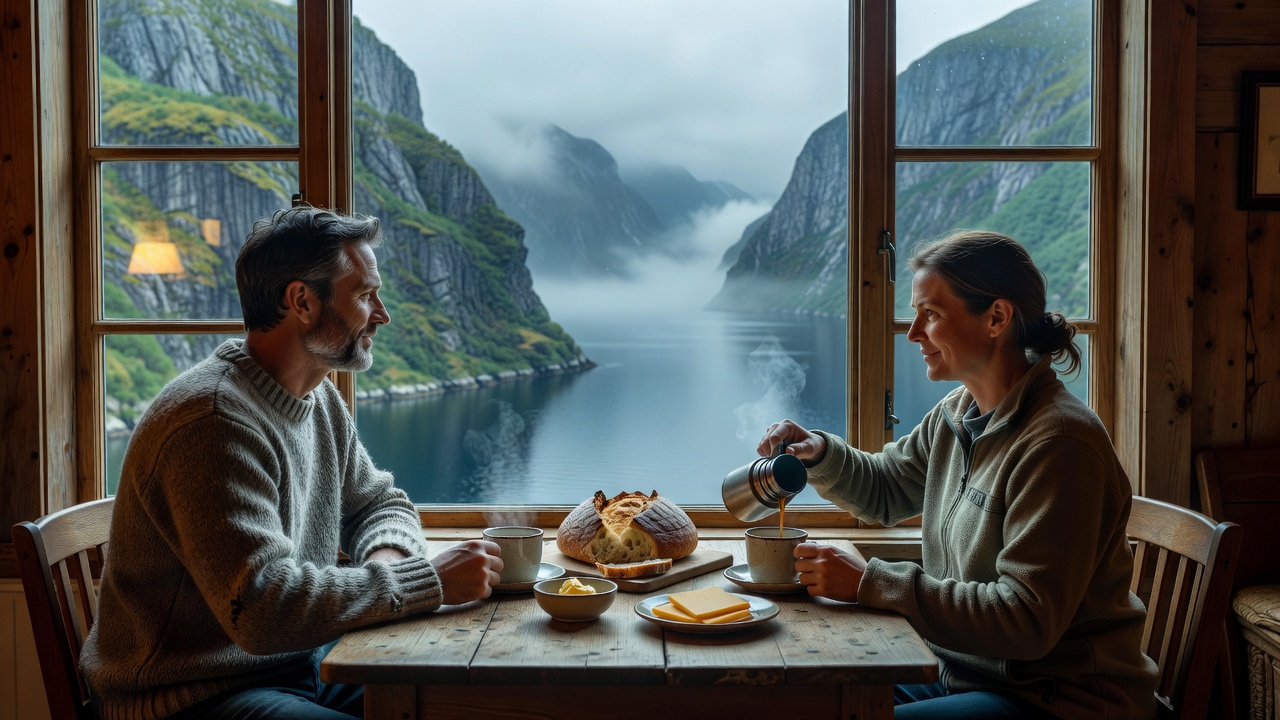
A restorative escape is easier to imagine than to organise. There are timetables, room choices, meals and the temptation to make every hour count. Start by deciding what you want to reduce: driving, repeated packing, difficult walks or the number of decisions made on the day. That gives the plan a useful purpose without promising how you will feel.
A single base is often a good starting point. Moving accommodation can consume more time than the map suggests, particularly where fjords, ferries and mountain roads shape the journey. A modest area explored slowly may offer a more manageable break than several famous places connected by tight transfers.
Separate essentials from possibilities
Your essentials are the things the trip needs in order to work: accommodation, a feasible arrival, food, necessary medication and a way home. Reserve or confirm those as appropriate. Your possibilities are walks, viewpoints, boat outings and other activities. Keep at least some of those unbooked if flexibility is important to you.
Read cancellation conditions before paying, including any weather-related terms. Travel insurance varies, so check the actual policy and planned activities rather than assuming everything is covered. If you have access requirements, confirm the relevant details directly with accommodation and transport providers. General destination descriptions cannot substitute for those conversations.
Shape one slower day
Use this outline as a set of anchors rather than a schedule. It deliberately leaves time unassigned. A later breakfast or a shorter walk does not require catching up.
- Arrive in the day before you go anywhere. Eat, check how you feel and look at current conditions. Confirm only the transport details you genuinely need.
- Choose one nearby outdoor possibility. Prefer an established route with a clear return. Identify a shorter version before setting out.
- Give lunch a practical place. Know where food is available or carry what you need. Do not let a scenic plan depend on an unverified opening time.
- Leave the afternoon open. Sit somewhere comfortable, read, take another short outing or do nothing. Avoid making rest dependent on finishing a list.
- Close the day simply. Arrange dinner and check tomorrow's essential departure details. Leave other decisions until you have current information.
If you only have a short break, protect this pattern by reducing travel between places. The journey itself can be enjoyable, but it still takes effort. Give arrival and departure days fewer expectations than a full day at your base.
Check connections from door to door
Search public transport through Entur, then verify the relevant operator's timetable and booking requirements. Rail information may involve Vy; regional journeys may involve providers such as Skyss or FRAM. The correct operator depends on the route. Services and seasonal patterns can change.
Include the last stretch from the stop to your room, not just the main journey. Ask about slopes, luggage storage and check-in arrangements. Avoid relying on a final connection with no workable alternative. If you drive, account for ferry queues, road conditions, parking and the effort of unfamiliar roads rather than treating a map estimate as a promise.
Keep a weather alternative ready
Look at the local forecast on Yr and relevant warnings on Varsom. For road information, consult the Norwegian Public Roads Administration. Follow closures, local instructions and operator updates. A flexible booking does not make an unsafe outing reasonable.
Choose an indoor alternative before the weather becomes the day's central problem. It might be your accommodation, a local museum with confirmed opening hours or a café. Keep it nearby enough to use without a complicated transfer. Windproof and waterproof layers can improve comfort, but equipment does not remove environmental hazards.
Give the budget some breathing room
Allow for ordinary expenses beyond the headline booking: food, local transfers, luggage arrangements and a changed journey if something is disrupted. We do not publish fixed cost estimates because dates, standards and routes vary substantially. Compare current prices directly and keep a contingency suited to your circumstances.
Spending less does not have to mean walking farther than is comfortable or choosing an isolated room without food access. Compare the total effort and cost of a base, including transport and meals. A convenient address may reduce both daily decisions and unexpected expenses.
Pack for your actual day
Bring the layers, footwear and rain protection appropriate to the route and season, along with necessary medicines and practical charging arrangements. Keep key booking details available offline. For a walk beyond your immediate surroundings, plan navigation, communication and equipment according to the terrain and conditions.
Finally, agree what can be dropped. A useful plan tells you what matters and what does not. If you leave with a comfortable bed, a feasible return and one optional way to spend time outdoors, the day already has enough structure. The remaining space can stay empty.